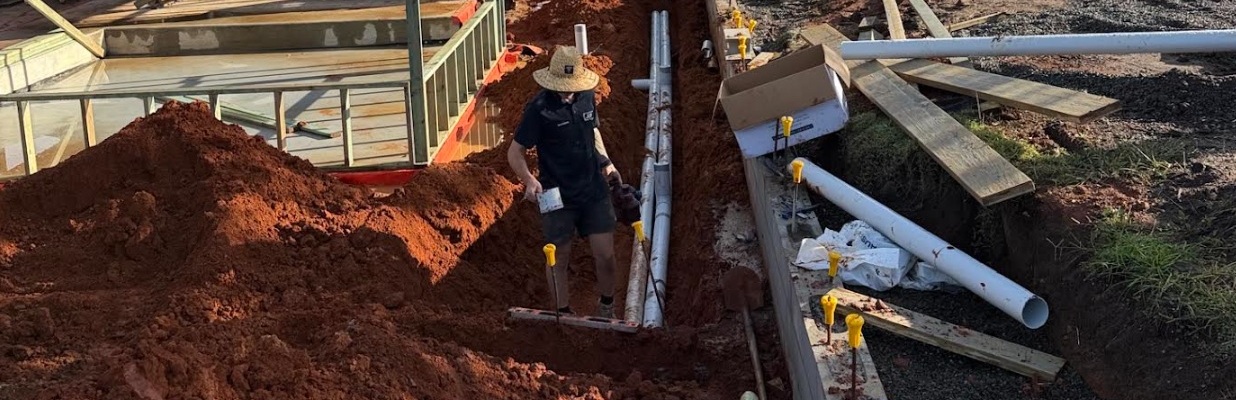
Blocked Drain Stormwater or Sewer Problem jdf plumbing drainage

7 Signs You Have a Blocked Drain, Stormwater or Sewer Problem

A blocked drain isn’t always just a blocked drain. Slow drainage, bad smells and water pooling around your property can indicate more serious issues with your stormwater or sewer system.

Knowing the warning signs early can help prevent costly plumbing repairs and property damage.

1. Water Is Pooling in Your Yard

After rain, does water sit around your home for days?

This could indicate:

  • Blocked stormwater pipes
  • Damaged drainage lines
  • Collapsed stormwater infrastructure
  • Blocked kerb outlets

Poor stormwater drainage can eventually lead to flooding and erosion around your property.

2. Multiple Drains Are Running Slowly

If a single fixture is slow, it may be a local blockage.

However, if multiple fixtures are affected, it may indicate:

  • Sewer line blockage
  • Tree root intrusion
  • Pipe collapse
  • Major obstruction within the drainage system

This issue should be investigated quickly to avoid sewage backups.

3. You Notice Sewer Smells Around the Property

A strong sewage smell is one of the clearest warning signs of a drainage problem.

Common causes include:

  • Blocked sewer pipes
  • Damaged inspection openings
  • Cracked sewer lines
  • Ventilation issues

Persistent odours should never be ignored.

4. Toilets Are Bubbling or Gurgling

Gurgling sounds often occur when trapped air is unable to move freely through the drainage system.

This may indicate:

  • Partial blockage
  • Sewer restriction
  • Tree roots in sewer pipes
  • Developing pipe failure

These symptoms often worsen over time.

5. Frequent Drain Blockages

If you’re repeatedly reaching for drain cleaner or a plunger, there’s likely a deeper issue.

Recurring blockages commonly result from:

  • Tree roots
  • Grease build-up
  • Damaged pipes
  • Pipe misalignment

A CCTV drain camera inspection can usually identify the exact cause.

6. Stormwater Pits Overflow During Rain

Stormwater pits are designed to collect and disperse rainfall efficiently.

Overflowing pits may indicate:

  • Blocked underground pipes
  • Sediment accumulation
  • Root intrusion
  • Insufficient drainage capacity

Heavy rainfall can quickly expose hidden drainage issues.

7. Soggy Ground or Unexplained Wet Areas

Wet patches can indicate underground leaks or damaged pipes.

Look for:

  • Consistently damp soil
  • Sunken ground
  • Lush grass in isolated areas
  • Water emerging after rainfall

These are common signs of broken stormwater or sewer infrastructure.

How Are Blocked Drains and Sewer Problems Fixed?

Modern plumbers can use:

  • CCTV drain camera inspections
  • High-pressure water jetting
  • Drain cleaning equipment
  • Pipe repairs and replacements
  • Stormwater system upgrades

Identifying the problem early often prevents much larger repair bills later.

Need Help With a Blocked Drain or Stormwater Issue?

JDF Plumbing & Drainage specialises in blocked drains, sewer repairs, stormwater diagnostics, CCTV inspections and drainage repairs across South East Queensland.

CALL NOW 0402225609 EMAIL US
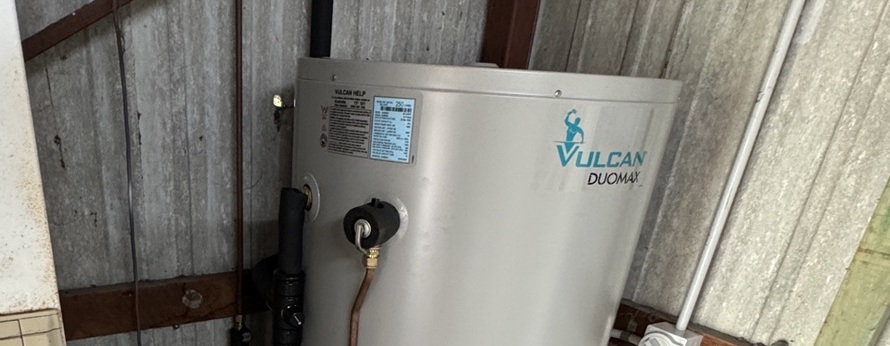
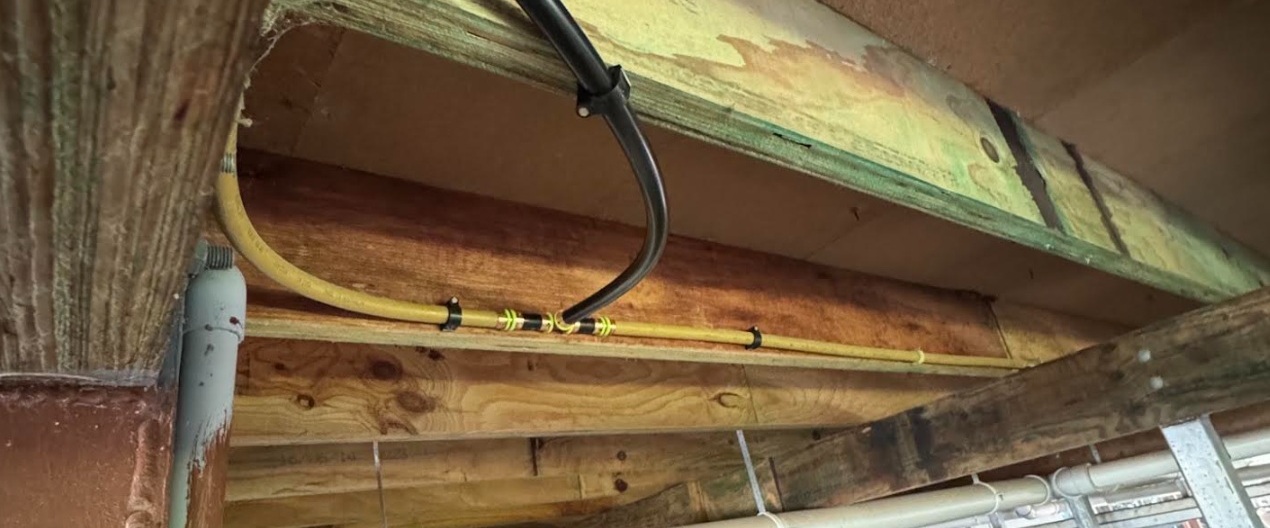
Electric hot water system issues problems repair replacement jdf plumbing drainage

Why Does My Electric Hot Water System Keep Running Out of Hot Water?

There’s nothing more frustrating than stepping into a shower only to run out of hot water halfway through. If your electric hot water system is no longer keeping up with your household’s needs, there could be several underlying causes.

Understanding why your hot water is running out can help you determine whether a repair or replacement is the best solution.

1. Your Hot Water System Is Undersized

Many homes have an electric hot water system that was installed years ago when the household was smaller.

Common signs include:

  • Hot water runs out during peak times
  • Multiple showers can’t be used consecutively
  • Morning demand exceeds supply
  • New family members have increased water usage

As families grow, so does hot water demand. A larger system may be required to adequately service the household.

2. The Heating Element May Be Failing

Electric hot water systems rely on a heating element to warm water within the storage tank.

When the element begins to fail, you may notice:

  • Reduced hot water availability
  • Water that takes longer to heat
  • Inconsistent water temperatures
  • Increased energy consumption

A licensed plumber can test the element and determine whether replacement is possible.

3. Sediment Build-Up Inside the Tank

Over time, minerals from the water supply can accumulate inside the tank.

This sediment layer can:

  • Reduce heating efficiency
  • Decrease storage capacity
  • Cause unusual noises
  • Shorten system lifespan

Older systems are particularly vulnerable to this issue.

4. Your System Is Reaching the End of Its Life

Most electric hot water systems have an expected lifespan of around 8-15 years.

Warning signs include:

  • Rust around fittings
  • Corrosion
  • Water leaks
  • Frequent repairs
  • Rising electricity costs

Replacing an ageing system before it fails can help avoid unexpected breakdowns.

5. Peak Demand Exceeds Capacity

Many homeowners notice hot water shortages during winter or when guests are staying.

Activities that increase demand include:

  • Long showers
  • Back-to-back showers
  • Running dishwashers and washing machines simultaneously
  • Additional occupants in the home

A larger modern unit can often solve recurring capacity issues.

When Should You Replace Your Electric Hot Water System?

If your system frequently runs out of hot water, requires regular repairs, or is more than 10 years old, upgrading to a modern energy-efficient model may provide better reliability and lower running costs.

Need an Electric Hot Water System Upgrade?

JDF Plumbing & Drainage provides professional electric hot water system repairs, replacements, and upgrades throughout South East Queensland.

CALL NOW 0402225609 EMAIL US
pre purchase plumbing inspection jdf plumbing drainage

8 Plumbing Items to Check Before Buying a House

Buying a home is one of the biggest investments you’ll ever make, and while most buyers focus on the roof, layout, and cosmetic finishes, it’s equally important to inspect the property’s plumbing. Hidden plumbing issues can lead to unexpected repair costs, water damage, and ongoing maintenance headaches after settlement.

Before signing on the dotted line, take the time to check these eight important plumbing-related items.

1. Check the Water Pressure

Poor water pressure can indicate blocked pipes, hidden leaks, failing pressure-reducing valves, or ageing plumbing infrastructure. Turn on taps throughout the home and test showers to ensure a steady flow of water.

Low pressure may seem like a minor inconvenience, but it can often point to larger plumbing issues that require professional investigation and repair.

2. Inspect for Leaks and Water Damage

Look closely under sinks, around toilets, behind washing machines, and near hot water systems for signs of leaks. Water stains, mould, peeling paint, swollen cabinetry, or musty smells can all indicate ongoing moisture problems.

Even a small leak can cause significant damage over time and may require costly repairs if left untreated.

3. Assess the Hot Water System

A hot water system replacement can be a significant expense, so it’s worth checking its condition before purchasing the property.

Look for:

  • Rust or corrosion
  • Water leaks around the unit
  • Unusual noises
  • Insufficient hot water
  • The age of the system

Most hot water systems have a typical lifespan of 8-15 years depending on the type and maintenance history.

4. Test All Drains

Slow-draining sinks, showers, baths, and floor wastes can indicate blockages or damaged drainage pipes.

Run water through multiple fixtures and observe how quickly it drains away. Gurgling sounds or unpleasant odours can also indicate underlying drainage problems that may require professional attention.

5. Examine the Sewer System

Sewer repairs can be one of the most expensive plumbing issues a homeowner faces.

Warning signs include:

  • Frequent drain blockages
  • Sewage smells around the property
  • Soggy patches in the yard
  • Slow drains throughout the home

Older homes may have ageing earthenware pipes that are prone to cracking, collapse, and tree root intrusion.

6. Check the Stormwater Drainage

Queensland’s heavy rainfall can put a property’s drainage system under significant pressure.

Inspect:

  • Downpipes
  • Stormwater pits
  • Kerb outlets
  • Surface drainage

Look for signs of water pooling, erosion, or previous flooding issues. Poor stormwater management can result in property damage and ongoing maintenance costs.

7. Inspect Exposed Pipework

Take note of any visible plumbing pipes around the home, under sinks, beneath the house, or in utility areas.

Look for:

  • Corrosion
  • Rust
  • Temporary repairs
  • Poor workmanship
  • Ageing pipe materials

Older galvanised steel pipes can suffer from internal corrosion, leading to restricted water flow and potential failures.

8. Check Water Tanks and Pumps

Many Queensland homes utilise rainwater tanks for gardening, toilet flushing, or household water supply.

Inspect the condition of:

  • Rainwater tanks
  • Tank stands
  • Pipe connections
  • Water tank pumps

A failing pump or damaged tank can reduce system performance and lead to unexpected replacement costs shortly after moving in.

Why a Plumbing Inspection is Worth It

A building inspection is an important step in the buying process, but many plumbing issues can remain hidden without a dedicated plumbing assessment.

Having a licensed plumber inspect the property’s water, drainage, sewer, stormwater, and hot water systems can help identify potential problems before you commit to the purchase. The small cost of an inspection can save thousands of dollars in repairs later.

Need a Pre-Purchase Plumbing Inspection?

At JDF Plumbing & Drainage, we help homebuyers identify plumbing issues before purchasing a property. Our experienced team can assess the condition of key plumbing systems and provide peace of mind before settlement.

Contact the team today:

CALL NOW 0402225609 EMAIL US
jdf plumbing draiange sponsors caboolture golf club

JDF Plumbing & Drainage Sponsor the Caboolture Golf Club

JDF Plumbing & Drainage is proud to announce we have commenced sponsoring the Caboolture Golf Club. The team at JDF Plumbing & Drainage looks forward to continuing to supports local community endeavors and hopes the sponsors of the Caboolture Golf Club continues well into the future.

The Caboolture Golf Club is based in Caboolture, North Brisbane Brisbane (Australia). The 2023 year saw the golf club have 1200+ members and 50+ juniors.